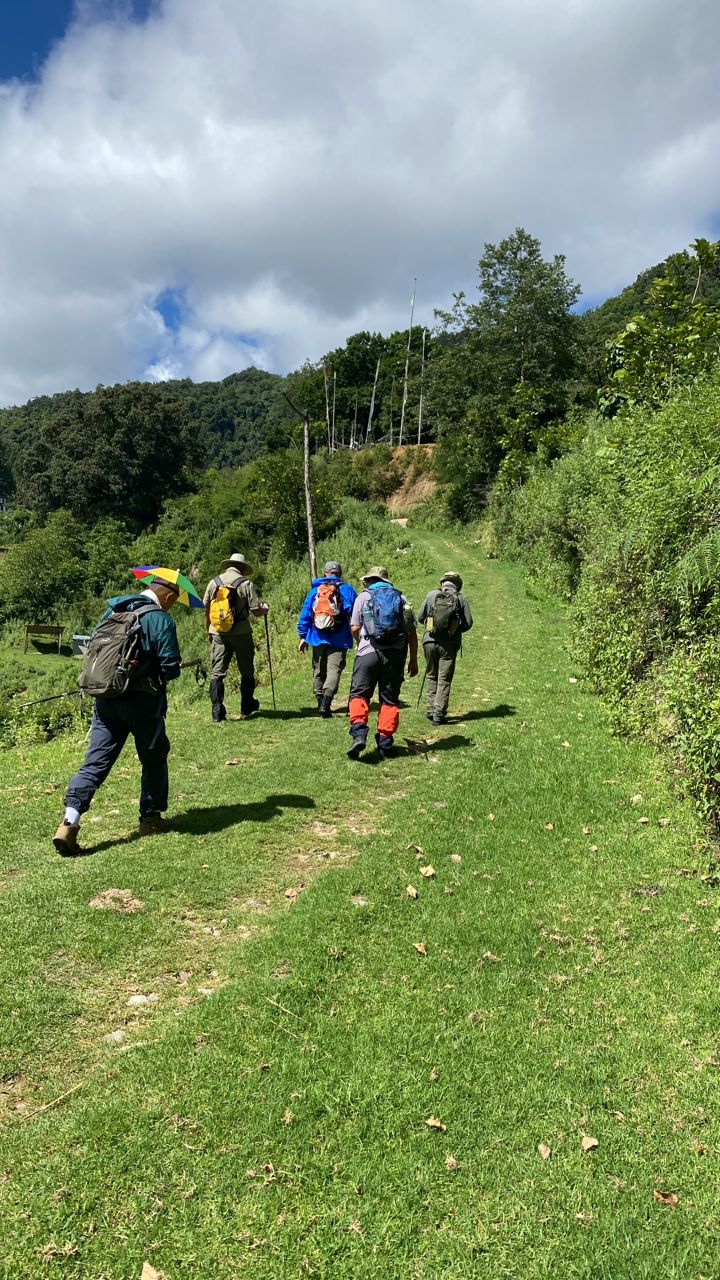
Best Time to Visit Bhutan
Bhutan's climate varies significantly by altitude and season. The best time to visit depends on your interests and the experiences you're seeking.
Spring (March - May)
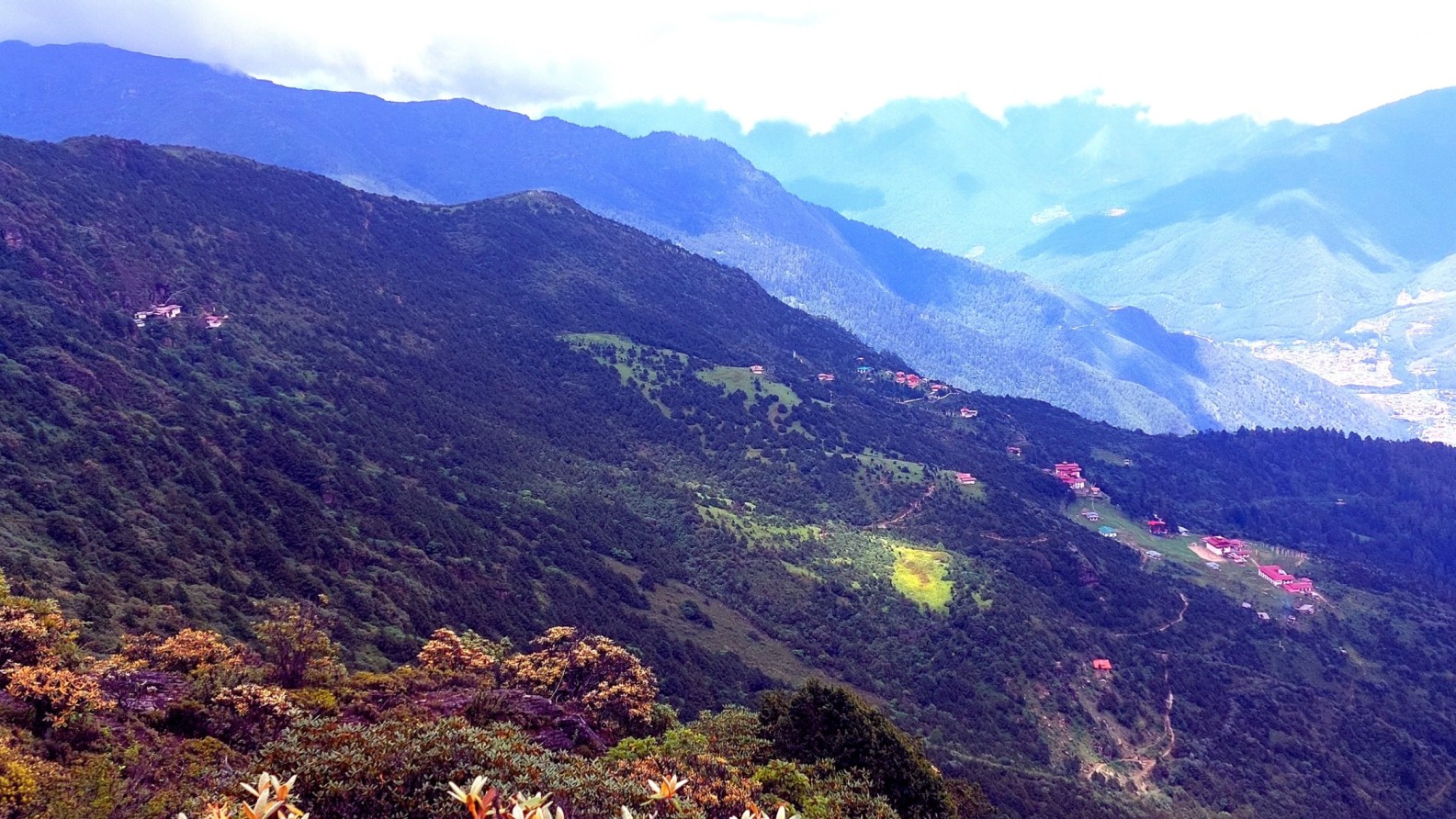
Spring is one of the best times to visit Bhutan, offering pleasant weather and spectacular natural beauty.
- Weather: Mild temperatures (15-25°C), clear skies, and blooming rhododendrons.
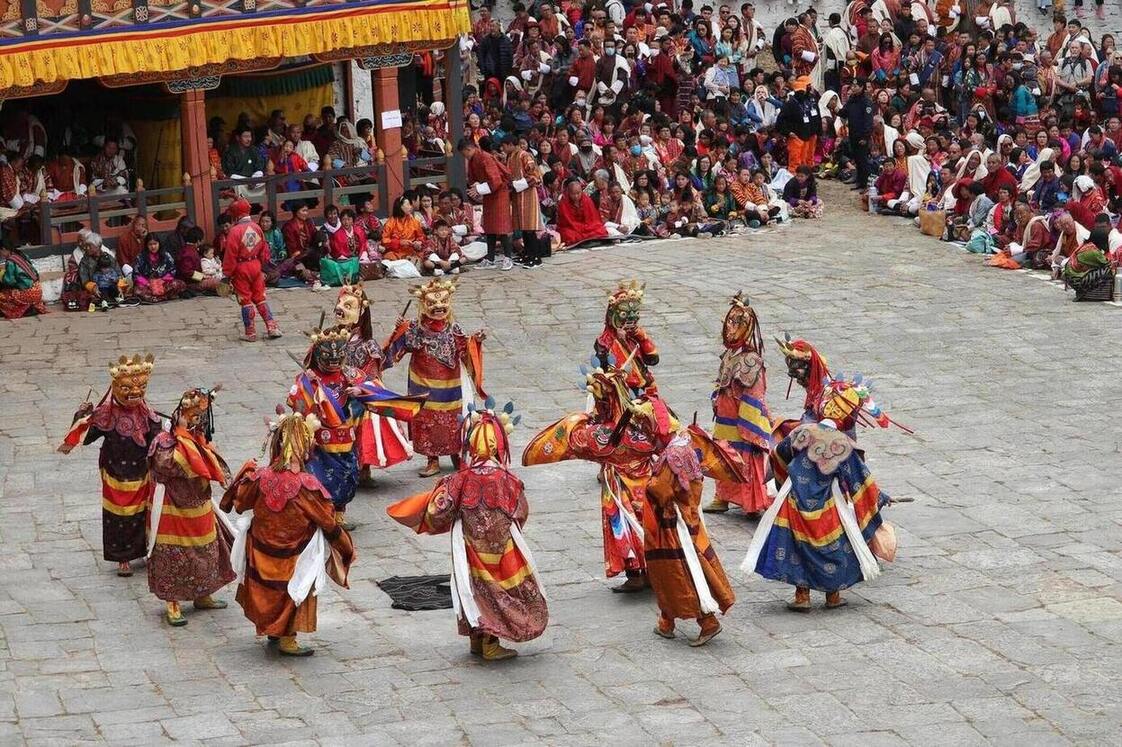
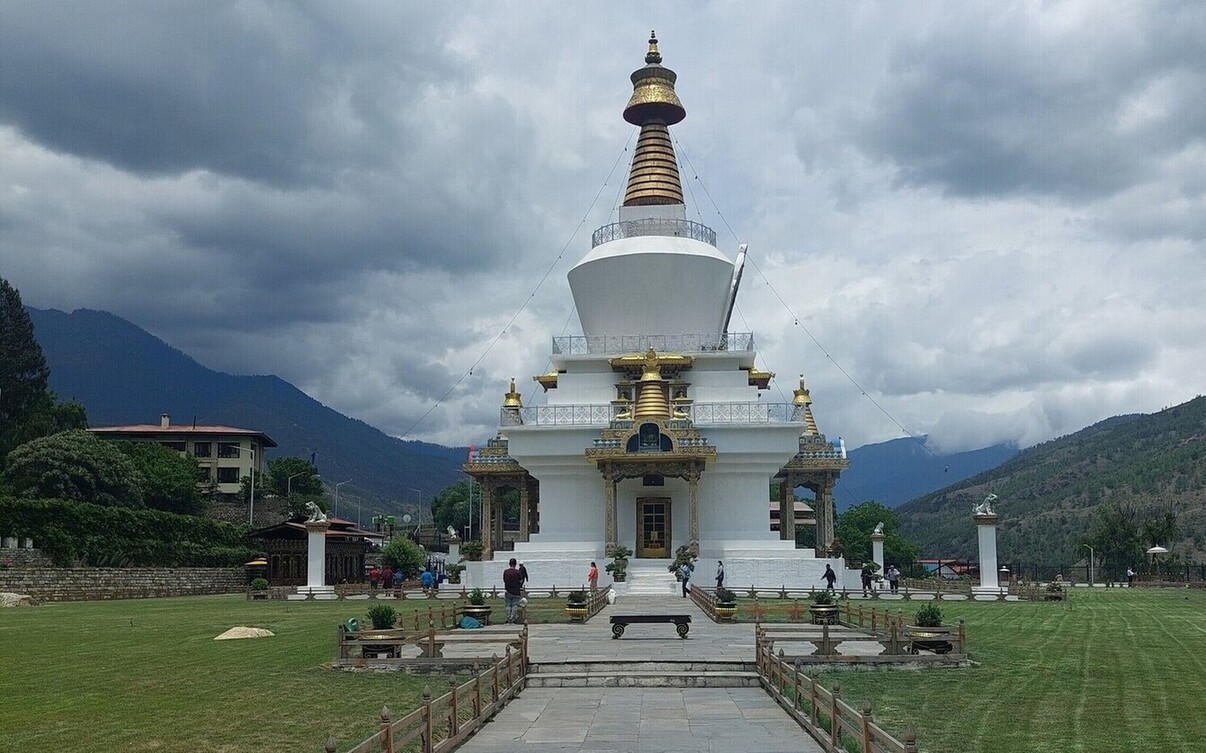
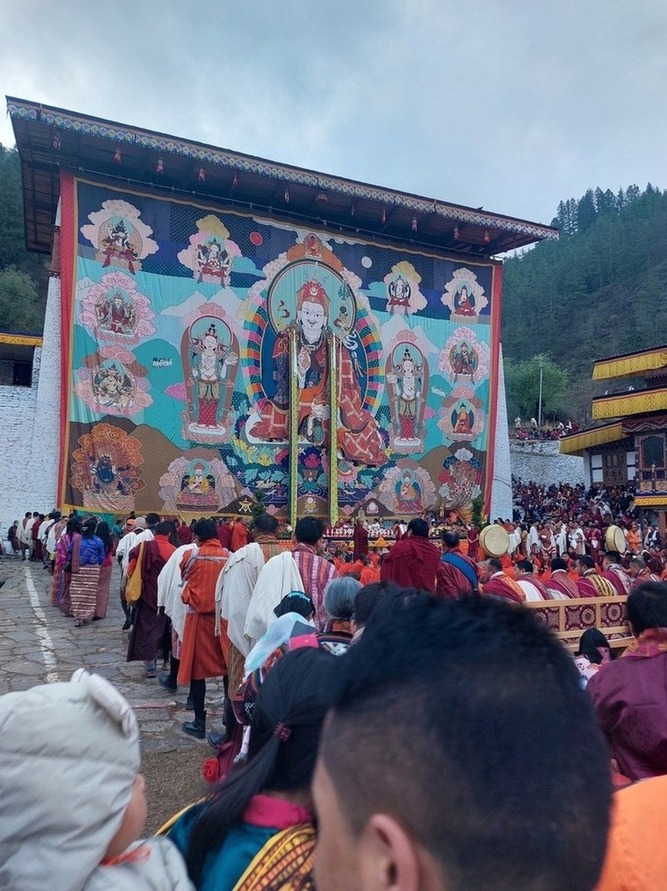
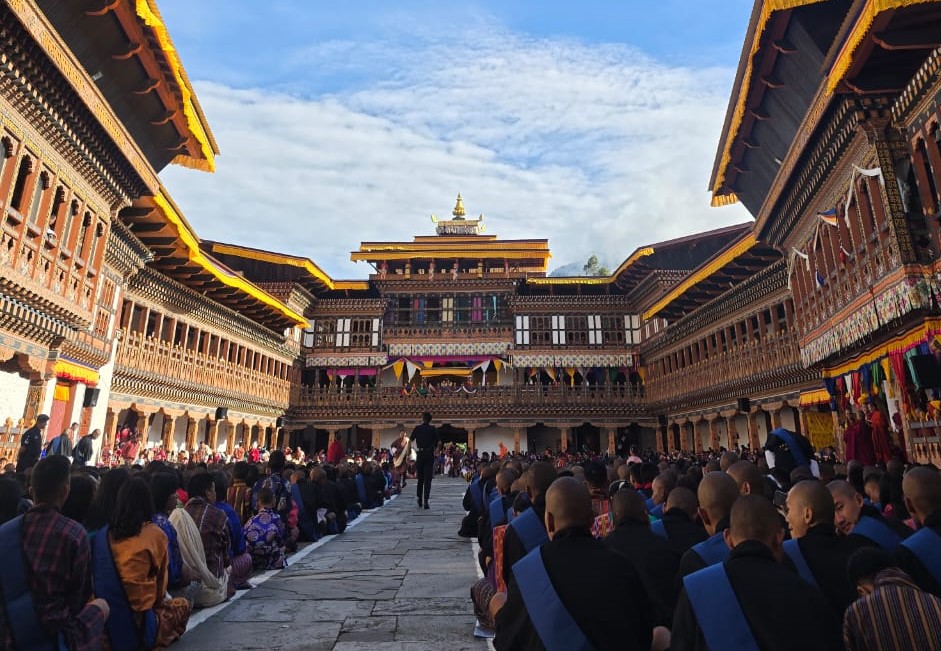
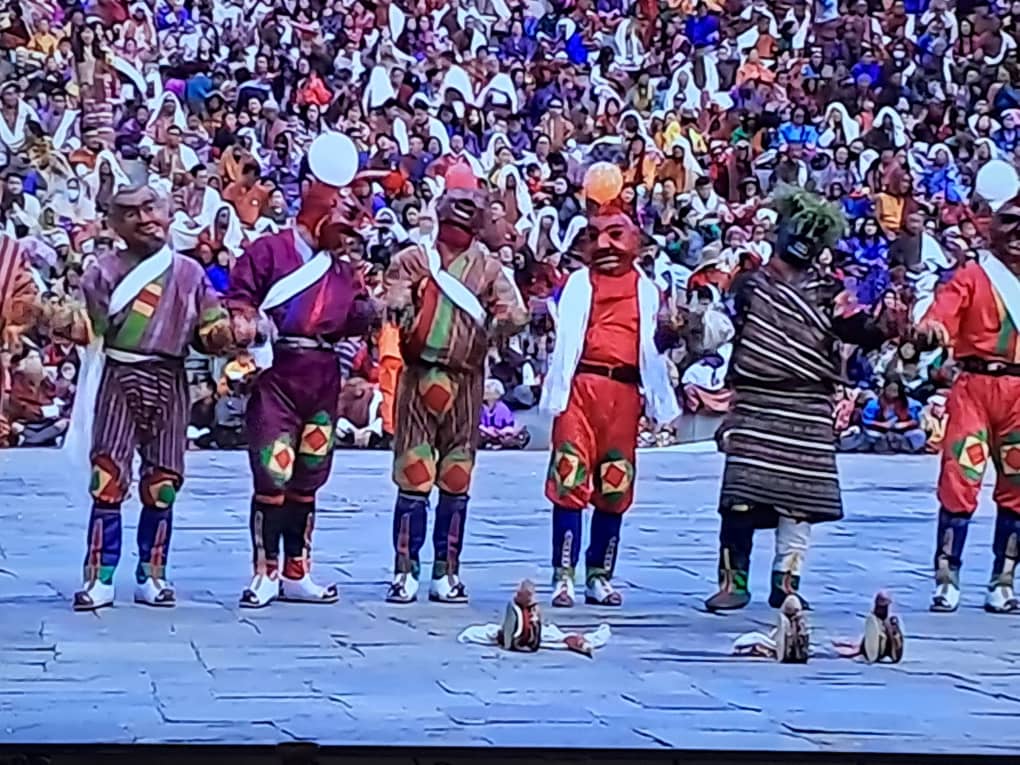
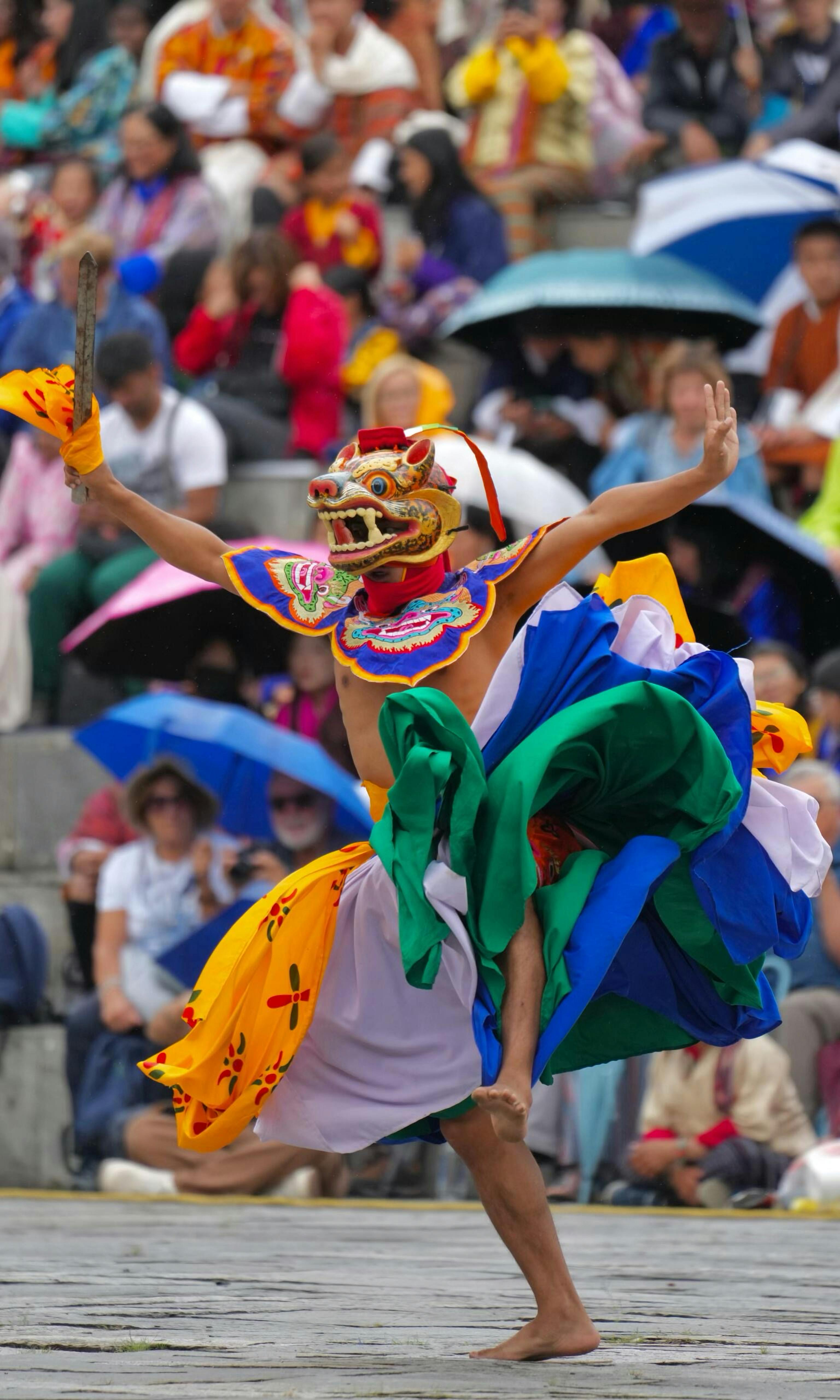
- Highlights: Paro and Thimphu Tshechu festivals, trekking in favorable conditions, and vibrant spring colors.
- Considerations: Peak season with higher prices and more tourists. Book well in advance.
Summer (June - August)
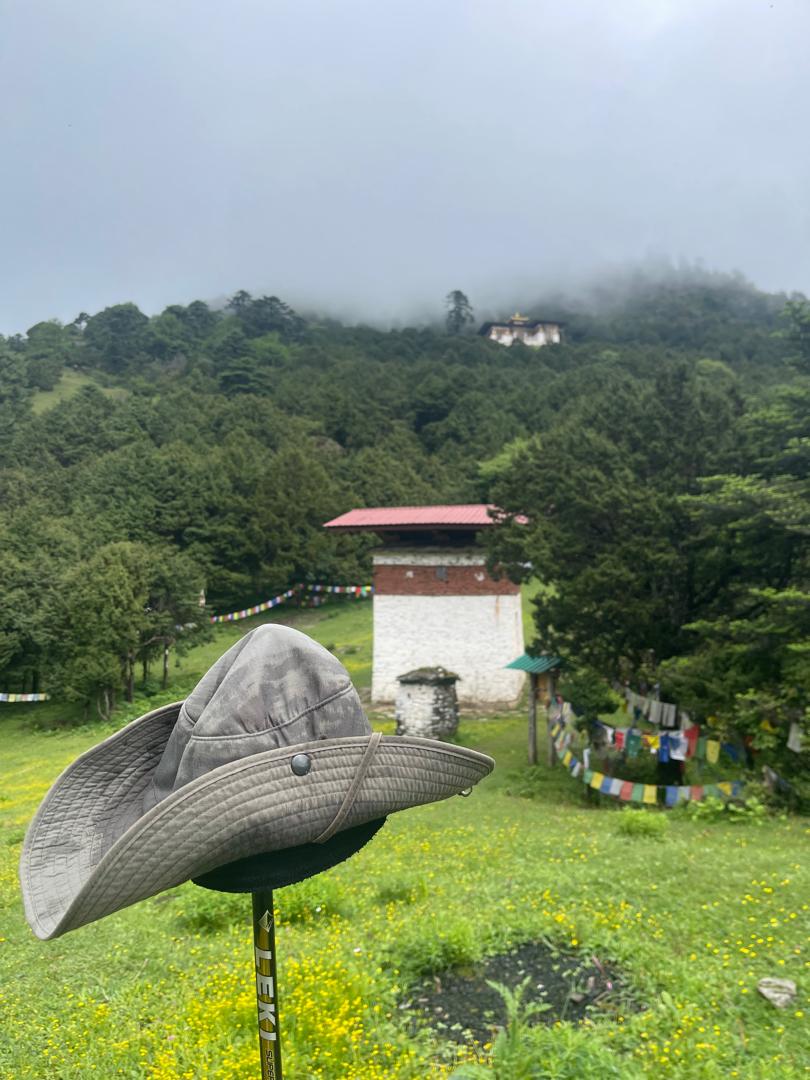
Summer brings the monsoon season with lush green landscapes but frequent rainfall.
- Weather: Warm (20-30°C) with heavy rains, especially in July and August.
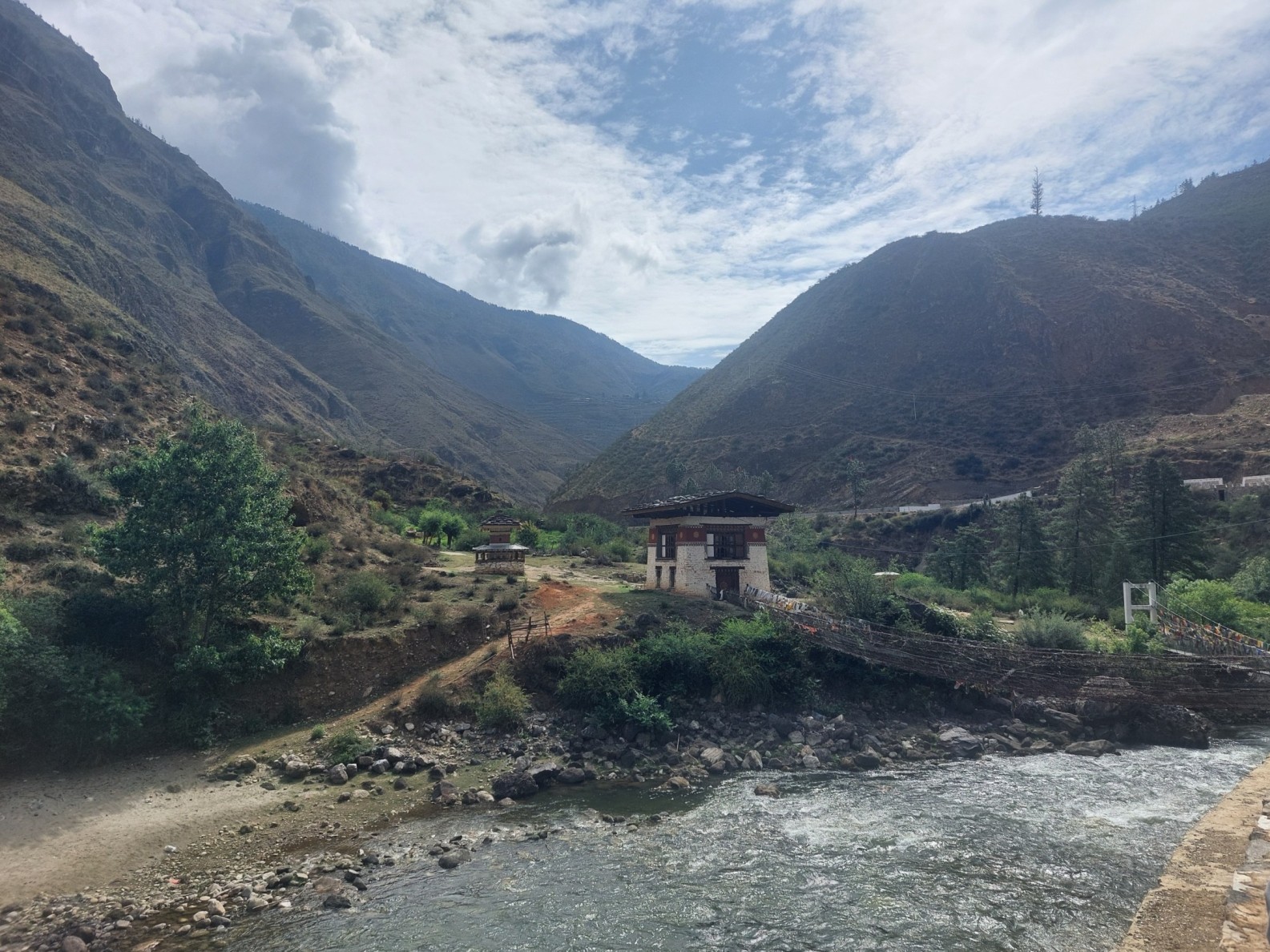
- Highlights: Lush green valleys, fewer tourists, and lower prices. Good for cultural tours.
- Considerations: Mountain views may be obscured by clouds. Some trekking routes may be challenging.
Autumn (September - November)
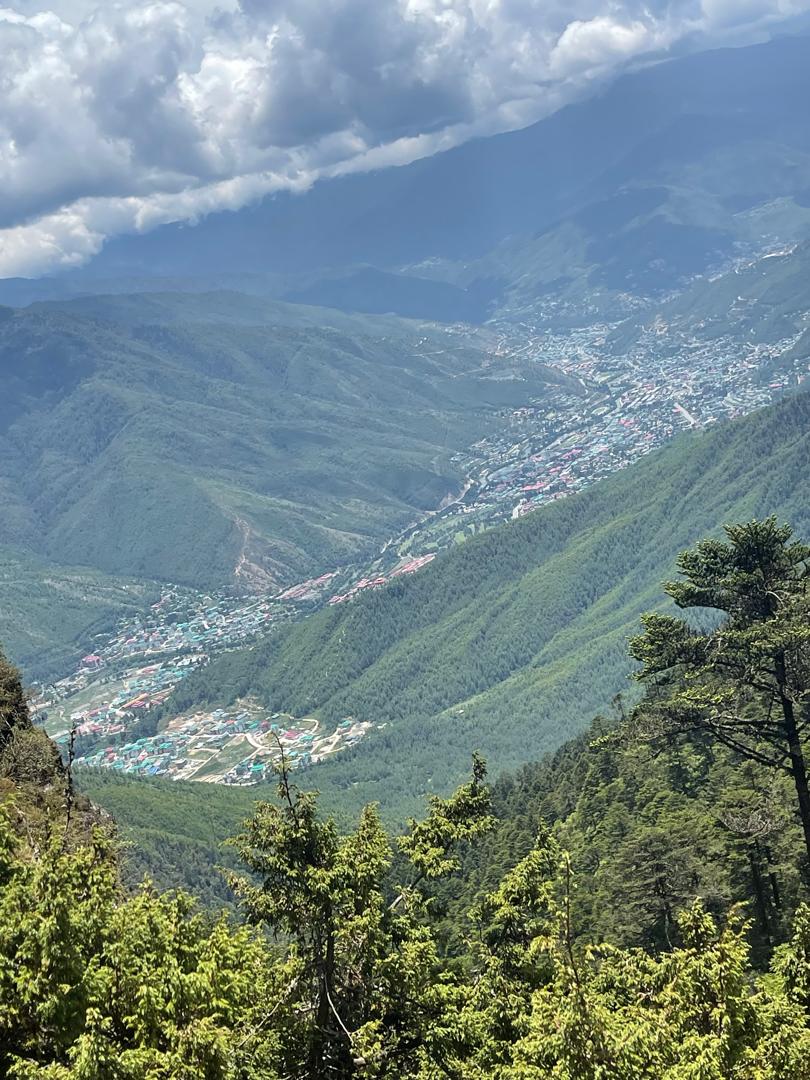
Autumn is considered the best season for visiting Bhutan, with clear skies and comfortable temperatures.
- Weather: Mild (15-25°C), clear skies, and excellent visibility.
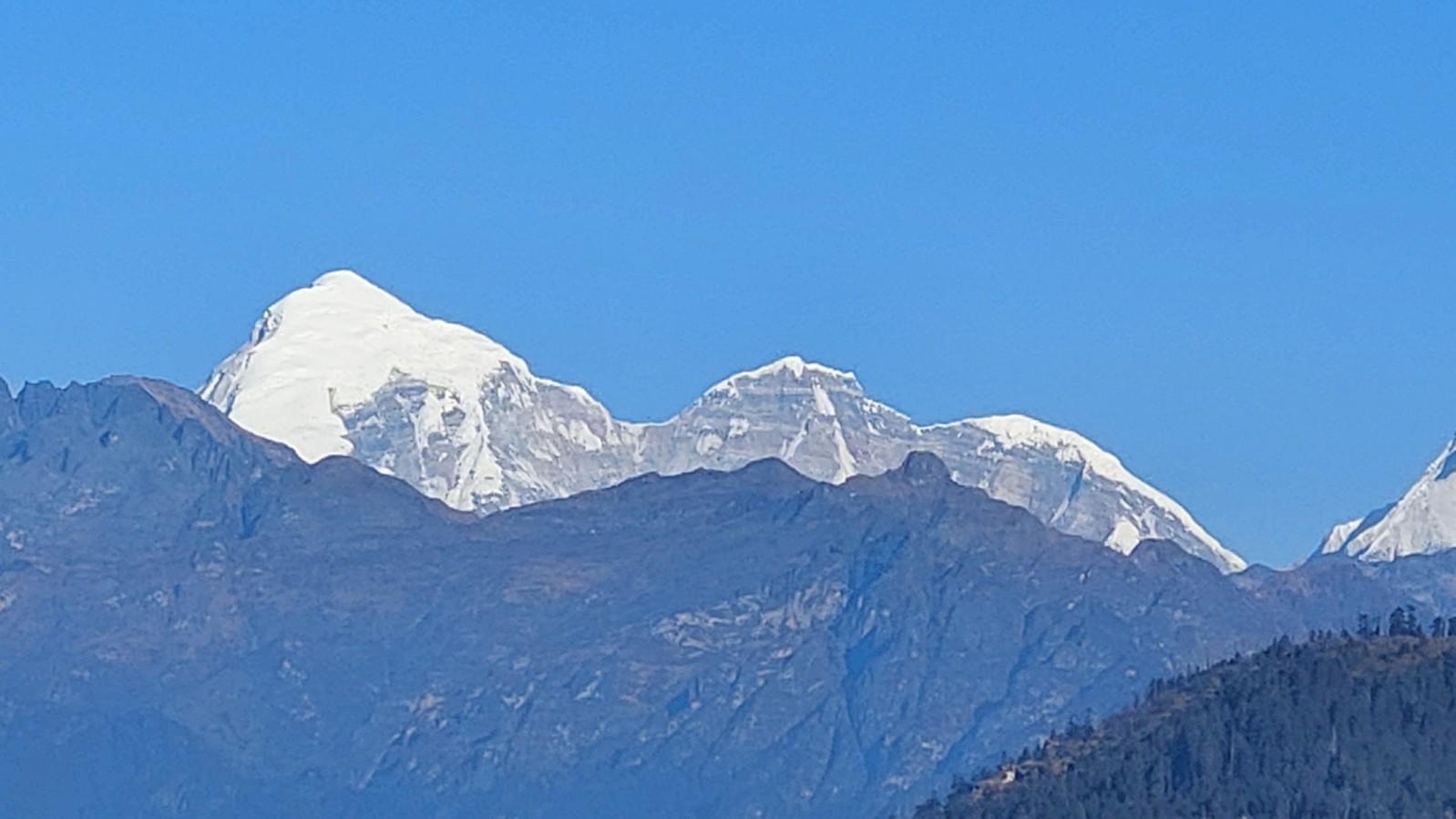
- Highlights: Thimphu and Paro Tshechu festivals, ideal trekking conditions, and spectacular mountain views.
- Considerations: Peak season with higher prices. Book 3-6 months in advance for best availability.
Winter (December - February)
Winter offers crisp, clear days with cold nights, especially at higher altitudes.
- Weather: Cold (5-15°C during day, below freezing at night), but generally sunny.
- Highlights: Clear mountain views, fewer tourists, lower prices, and the Punakha Drubchen festival.
- Considerations: High-altitude treks may be difficult. Some mountain passes may be closed.
Recommended by Season:
- For Festivals: Spring (March-May) and Autumn (September-November)
- For Trekking: Spring (March-May) and Autumn (September-November)
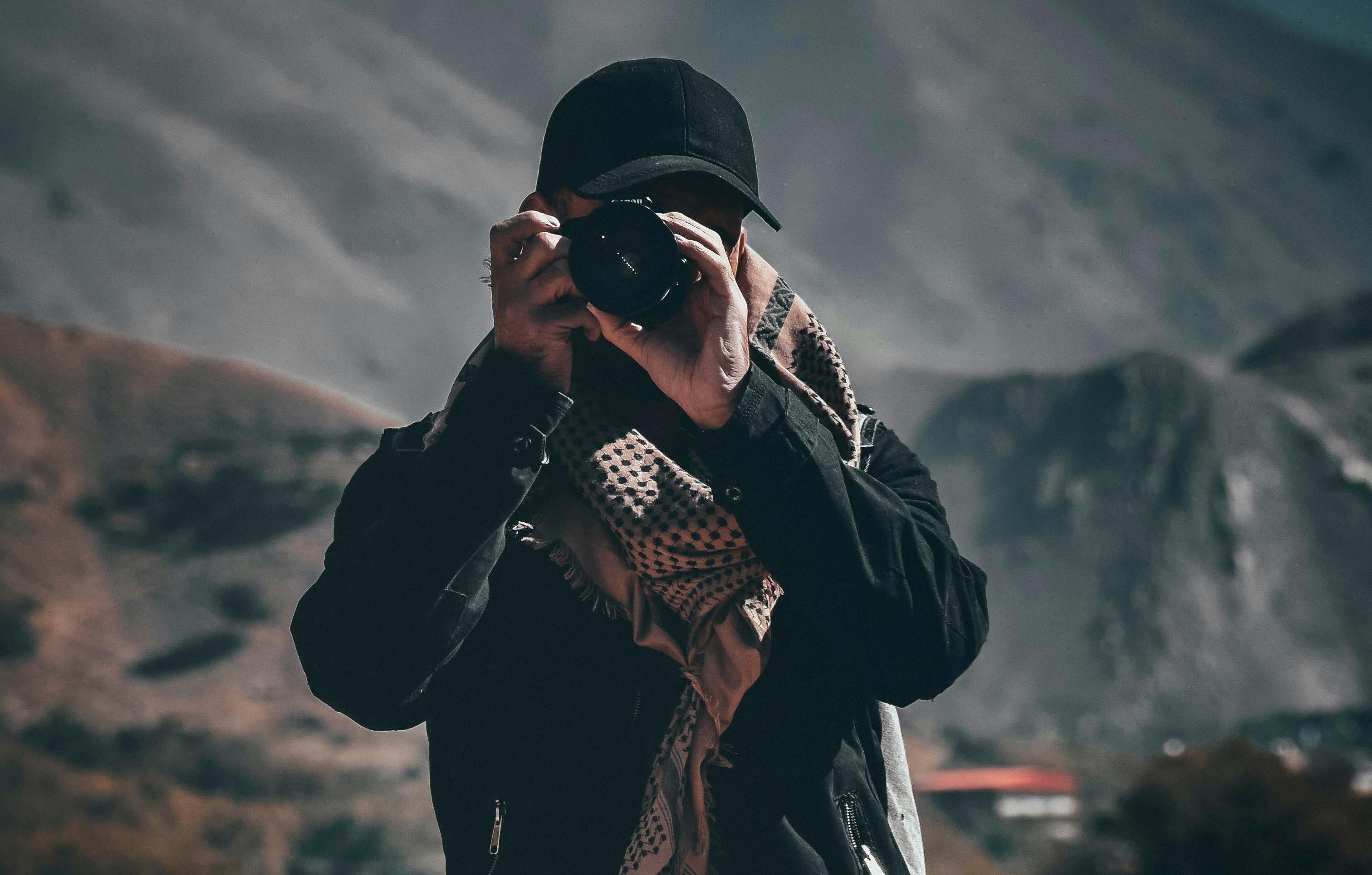
- For Photography: Autumn (September-November) for clear mountain views
- For Budget Travel: Summer (June-August) and Winter (December-February)
Current Travel Insurance Policy for Bhutan
Not Mandatory
Travel insurance is no longer a compulsory requirement for obtaining a tourist visa or entering Bhutan.
Still Recommended
While not required, the Department of Tourism advises travelers to have travel insurance. This is to ensure coverage for unforeseen emergencies, such as medical issues or trip cancellations, during international travel.
Why Consider Travel Insurance for Bhutan?
Even though it's not mandatory, having travel insurance can be beneficial, especially in remote areas where medical facilities may be limited. Insurance can cover:
- Emergency Medical Expenses: Including hospitalization and treatment.
- Emergency Evacuation: In case of serious illness or injury.
- Trip Cancellations or Interruptions: Due to unforeseen events.
- Lost or Delayed Baggage: Providing compensation for essential items.
Final Recommendation
While Bhutan no longer requires travel insurance for tourists, it's prudent to consider obtaining a policy that suits your travel needs. This ensures peace of mind and protection against potential risks during your visit.
If you need assistance finding suitable travel insurance options for your trip to Bhutan, feel free to ask our travel experts for recommendations!
Frequently Asked Questions
Here are answers to common questions about traveling to Bhutan with Chhophel Dream Trips.
General Questions
Q: Is Bhutan safe for tourists?
A: Bhutan is one of the safest countries in the world with very low crime rates. Tourists are welcomed warmly, and violent crime is extremely rare.
Q: Do I need any vaccinations to enter Bhutan?
A: No specific vaccinations are required, but it's recommended to be up-to-date on routine immunizations. Consider hepatitis A, typhoid, and tetanus if traveling to remote areas.
Q: What is the currency of Bhutan?
A: The currency is the Bhutanese Ngultrum (BTN). Currencies accepted in Bhutan are US Dollars and Indian Rupees (INR). Tourists can easily exchange currencies like AUD, CAD, CHF, DKK, EUR, GBP, HKD, JPY, NOK, SEK and SGD. Travellers from India are advised to carry smaller denominations as there is a general reluctance to accept INR 500 and INR 2000 notes. ATMs are available in major towns.
Booking and Costs
Q: What is included in the daily tariff?
A: The earlier daily tariff of USD 250 for peak season and USD 200 for off-peak season have been done away with. One can now opt for one of the packages offered by any licensed tour operator at a per-determined cost or design your own and ask for pricing
Q: Can I travel independently in Bhutan?
A: No, all tourists must book through a licensed tour operator and travel with a guide throughout their stay. This policy helps preserve Bhutan's culture and environment. However, you can independently book your visa and pay the Sustainable Development Fee (SDF).
Q: What is the Sustainable Development Fee (SDF)?
A: The SDF is USD 100 per person per night which goes toward free education, healthcare, and infrastructure development in Bhutan.
Practical Information
Q: What language is spoken in Bhutan?
A: The official language is Dzongkha. English is widely spoken in tourist areas, and your guide will be fluent in English.
Q: What is the time zone of Bhutan?
A: Bhutan is 6 hours ahead of GMT (GMT+6). There is no daylight saving time.
Q: Are credit cards accepted in Bhutan?
A: Credit cards are accepted in some hotels and shops in major towns, but cash is preferred. It's best to carry sufficient cash (Indian Rupees or Ngultrum) for small purchases.
Q: What is the internet and mobile connectivity like?
A: Most hotels and cafes in towns offer Wi-Fi, though speeds may be slower than you're used to. SIM cards with data plans are available for purchase upon arrival.
Health and Safety
Q: How can I prevent altitude sickness?
A: Acclimatize gradually, stay hydrated, avoid alcohol for the first few days, and rest if you feel symptoms. Our itineraries are designed to minimize altitude issues.
Q: What medical facilities are available?
A: Basic healthcare is available in major towns. For serious conditions, evacuation to Thailand or India may be necessary, which is why comprehensive travel insurance is essential.
Still have questions?
Our travel experts are happy to provide more information about traveling to Bhutan. Contact us at chhophel.tours@gmail.com or +975 77141118.